round dining table size guide
Round Dining Table Size Guide: A Comprehensive Overview (02/04/2026)
Navigating round dining table sizing requires understanding dimensions, seating, and clearance—this guide offers a detailed breakdown to ensure a perfect fit for your space!
Selecting the appropriate round dining table size is paramount for creating a functional and aesthetically pleasing dining experience․ This guide delves into the intricacies of round table sizing, moving beyond simple diameter measurements to encompass seating capacity, spatial considerations, and lifestyle factors․
Understanding standard dining table dimensions is crucial; thankfully, they exist! We’ll explore how table length directly impacts seating, offering customizable options from 72 to 120 inches․ Proper sizing isn’t just about fitting people around the table, but also ensuring comfortable movement and a harmonious flow within the dining room․
This comprehensive resource aims to empower you with the knowledge to confidently choose a table that perfectly balances form and function, avoiding common pitfalls and maximizing your dining space․ We’ll cover everything from quick reference charts to interactive tools․
Why Choose a Round Dining Table?
Round dining tables offer a unique blend of aesthetics and practicality, making them a popular choice for modern homes․ Unlike rectangular tables, rounds promote a more intimate and conversational atmosphere, fostering connection among diners․ The absence of corners also enhances safety, particularly in homes with young children․
Beyond social benefits, round tables excel in space efficiency, particularly in smaller dining areas․ Their shape encourages a natural flow of movement, avoiding the restrictive feel sometimes associated with angular furniture․

Choosing a round table isn’t just about style; it’s about creating a welcoming and functional space․ They are versatile, adapting well to various décor styles and room layouts, offering a timeless elegance that complements any home․
Standard Round Dining Table Sizes & Seating Capacity
Selecting the right round dining table hinges on balancing size with your typical number of diners․ Standard sizes generally range from 36 inches to 60 inches in diameter, each accommodating a different seating capacity․
A 36-inch table comfortably seats two to three people, ideal for intimate meals or small spaces․ Moving up to 42 inches provides comfortable seating for four․ A 48-inch diameter can accommodate four to six guests, while a 60-inch table comfortably hosts six to eight․
Remember these are guidelines; consider chair size and desired elbow room when making your final decision․ Prioritizing comfort ensures enjoyable dining experiences for everyone․
36-Inch Round Table: Ideal for 2-3 People
A 36-inch round dining table presents a charming solution for smaller spaces and intimate dining experiences․ This size is perfectly suited for couples or small families of three, offering a cozy and efficient eating area․

Its compact footprint makes it versatile, fitting easily into breakfast nooks, apartments, or as a secondary dining spot․ While comfortably seating two, a third chair can be added for occasional guests, though space will be somewhat limited․
Consider this size if you prioritize space-saving functionality and frequent, smaller meals․ It’s a practical and aesthetically pleasing choice for those with minimal dining needs․
42-Inch Round Table: Comfortable for 4 People
A 42-inch round dining table strikes an excellent balance between space efficiency and comfortable seating for four individuals․ This size is a popular choice for families or those who frequently entertain small groups․
It provides ample elbow room for diners without overwhelming the space, making it suitable for both everyday meals and casual gatherings․ Four chairs can be easily accommodated, allowing for relaxed conversation and dining․
This table size is particularly well-suited for kitchens or dining areas of moderate size, offering a practical and inviting dining solution․ It’s a versatile option that blends functionality with style․
48-Inch Round Table: Seating 4-6 People
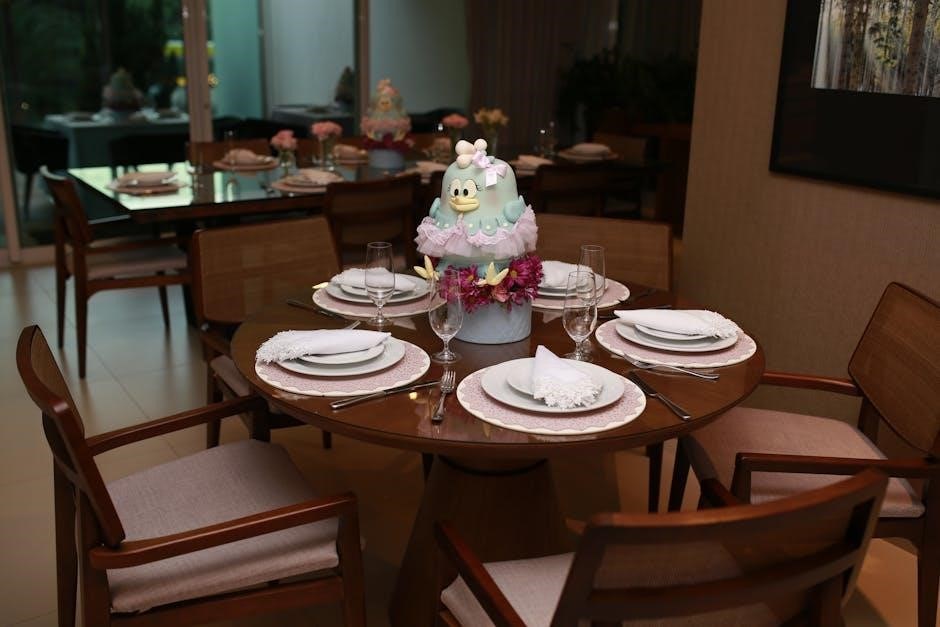
The 48-inch round dining table offers increased versatility, comfortably seating between four and six people, making it ideal for growing families or those who host moderate-sized gatherings․ This size provides a bit more breathing room compared to a 42-inch table, enhancing the dining experience․
While still suitable for smaller dining spaces, the 48-inch diameter allows for a more relaxed and spacious feel․ It’s a great option if you occasionally have extra guests but don’t want a table that feels unnecessarily large on a daily basis․
Consider this size if you anticipate needing to accommodate up to six diners regularly, ensuring everyone has sufficient space to enjoy their meal comfortably․
60-Inch Round Table: Accommodating 6-8 Guests
A 60-inch round dining table is a fantastic choice for those who frequently entertain or have larger families, comfortably accommodating six to eight guests․ This size strikes a balance between spaciousness and practicality, allowing for lively conversations without feeling cramped․
It’s well-suited for dining rooms with ample space, providing enough room for chairs to be pulled out comfortably and for easy movement around the table․ This diameter allows for a more substantial centerpiece and place settings․
If you regularly host dinner parties or family gatherings with six or more people, a 60-inch round table is an excellent investment, ensuring everyone has a pleasant dining experience․
Round Table Size Chart: Quick Reference
Here’s a quick reference chart to help you visualize the ideal round dining table size based on your typical seating needs․ This chart simplifies the selection process, offering a clear overview of diameter versus capacity․
- 36-Inch: 2-3 People
- 42-Inch: 4 People
- 48-Inch: 4-6 People
- 60-Inch: 6-8 People
- 72-Inch: 8-10 People
Remember to consider walkway space and chair pull-out room when choosing a size․ This chart provides a starting point; adjust based on your room’s dimensions and lifestyle․ Prioritize comfort and functionality for an enjoyable dining experience!
Calculating Required Space Around the Table (Clearance)

Adequate clearance around your round dining table is crucial for comfortable movement and functionality․ Insufficient space can lead to cramped conditions and hinder the dining experience․
Minimum Walkway Width
Aim for a minimum of 36 inches of walkway space around the table, allowing people to move freely without bumping into chairs or each other․ Ideally, 42-48 inches provides more comfortable passage․
Space for Chair Pull-Out
Factor in at least 30 inches from the table edge to any walls or obstructions to accommodate chair pull-out․ This prevents chairs from hitting walls and ensures guests can sit and rise easily․ Careful planning maximizes space!
Establishing a comfortable walkway width around your round dining table is paramount for ease of movement and a pleasant dining atmosphere․ A cramped space detracts from the experience, while ample room enhances it․
Generally, a minimum of 36 inches of clear space should surround the table, permitting individuals to navigate the area without obstruction․ However, for optimal comfort and to accommodate potential traffic, 42 to 48 inches is highly recommended․ This wider pathway allows for smoother passage, especially when chairs are extended or people are serving dishes․ Prioritize flow and accessibility!
Adequate space for chair pull-out is crucial when determining the ideal dimensions for your round dining table setup․ Failing to account for this can lead to a cramped and uncomfortable dining experience․
You’ll need to allow at least 24-30 inches of space behind each chair to allow for comfortable movement and pulling the chair out for seating․ This ensures diners aren’t bumping into walls or other furniture․ Consider the chair’s design; chairs with arms typically require more space․ Prioritize a generous allowance to prevent accidental collisions and create a relaxed atmosphere․ Careful planning prevents dining room disasters!
Round Dining Table Height Standards
Standard dining table height is a critical factor for comfort and ergonomics․ Generally, a comfortable height for a round dining table falls between 28 and 30 inches․ This allows for a natural arm position while eating, promoting good posture and preventing strain․
However, variations exist! Counter-height tables are taller, typically around 36 inches, and are designed for standing or using with bar stools․ Conversely, coffee table heights are much lower․ Choosing the correct height ensures your chairs fit properly and that diners can easily reach their meals․ Consistency in height between the table and chairs is paramount for a pleasant dining experience․
Factors Influencing Your Table Size Choice
Selecting the ideal round dining table size isn’t solely about the number of people you wish to seat․ Room size and layout are paramount; a large table overwhelms a small space, while a tiny table feels lost in a grand room․ Consider traffic flow and ensure ample space for movement around the table․
Frequency of use also matters․ If you host large gatherings often, prioritize a larger table․ For daily use by a smaller household, a more compact size is practical․ Think about future needs – will your family grow? Finally, consider your lifestyle; formal dining requires more space than casual meals․
Room Size and Layout
The dimensions of your dining room are the primary driver of table size selection․ A spacious room can comfortably accommodate a 60-inch or larger round table, creating a focal point without feeling cramped․ Conversely, smaller rooms benefit from a 36- or 42-inch table, maximizing usable space․
Consider the room’s layout․ Account for doorways, windows, and other furniture; Ensure at least 36 inches of clearance around the table for comfortable chair pull-out and movement․ Visualize the table within the space – use tape to mark its perimeter and assess the flow․ Prioritize functionality and avoid obstructing pathways․
Frequency of Use & Number of Guests
How often you entertain and the typical number of diners significantly impact your table size needs․ For daily use by a small household, a 36- or 42-inch table might suffice․ However, if you frequently host larger gatherings, a 48- or 60-inch table is more practical․
Consider your lifestyle․ Do you need a table that can expand to accommodate occasional guests? If so, explore options with leaves․ Think about the maximum number of people you realistically expect to seat regularly․ Prioritize comfort and ensure everyone has adequate elbow room – approximately 24 inches per person is recommended for a pleasant dining experience․
Comparing Round Tables to Other Shapes
When choosing a dining table, consider how round shapes stack up against squares and rectangles․ Round tables excel in fostering conversation, as everyone is at a similar distance and can easily see each other․ However, square or rectangular tables generally offer greater space efficiency, particularly in smaller rooms, maximizing seating along walls․
Rectangular tables are ideal for larger groups and formal dining, while round tables create a more intimate and relaxed atmosphere․ A round table can soften a room’s angular lines, adding visual interest․ Ultimately, the best shape depends on your room’s layout, dining style, and desired ambiance․
Round vs․ Square: Space Efficiency
Evaluating space efficiency between round and square dining tables is crucial for optimizing your dining area․ Square tables often utilize room corners effectively, allowing for better placement against walls and maximizing usable floor space․ This makes them a practical choice for smaller dining rooms where every inch counts․
Conversely, round tables require more open space around them for comfortable movement․ While they don’t neatly fit into corners, they can create a more fluid traffic flow․ A round table’s circular shape can sometimes make a smaller room feel larger, but a square table generally wins in tight spaces․
Round vs․ Rectangular: Conversation Flow
Considering conversation flow is key when choosing between round and rectangular dining tables․ Round tables inherently foster a more intimate and inclusive atmosphere, as everyone is at a similar distance and can easily make eye contact․ This encourages a natural, flowing conversation among all diners․
Rectangular tables, while accommodating larger groups, can sometimes create a sense of separation between those seated at opposite ends․ Conversations may become more segmented․ However, a rectangular table excels at facilitating focused discussions between smaller groups seated along its length․ Ultimately, the best choice depends on your typical dining style and social preferences․
Materials and Their Impact on Perceived Size
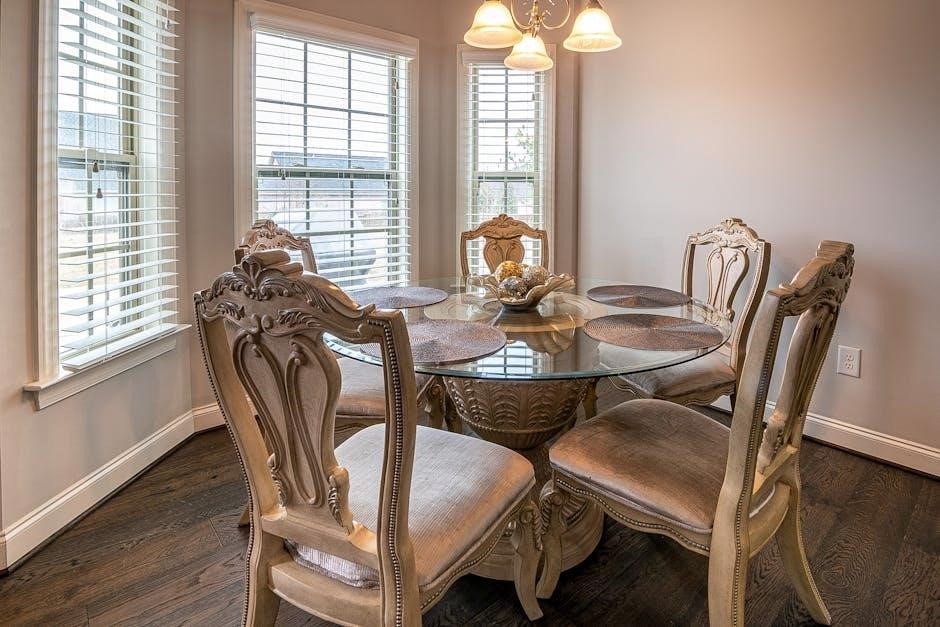
The material of your round dining table significantly influences how large it appears within a space․ Darker materials, like rich walnut or black oak, tend to visually absorb space, making the table feel slightly smaller and more grounded․ Lighter materials, such as bleached wood or glass, reflect light and create an airy feel, potentially making the table seem larger․
Glass tabletops, in particular, offer a unique effect, almost disappearing visually and maximizing the perception of open space․ Consider the surrounding décor; a heavy, ornate base can make a table feel substantial, while sleek, minimalist legs create a lighter aesthetic․ Material choice is a subtle but powerful tool in optimizing perceived size․
Finding the Right Pedestal or Leg Style
The base of your round dining table – whether a pedestal or legs – dramatically impacts both aesthetics and functionality․ Pedestal bases offer a clean, modern look and maximize legroom, making them ideal for tighter spaces as they eliminate corner obstructions․ However, they can sometimes feel less stable with larger tables․
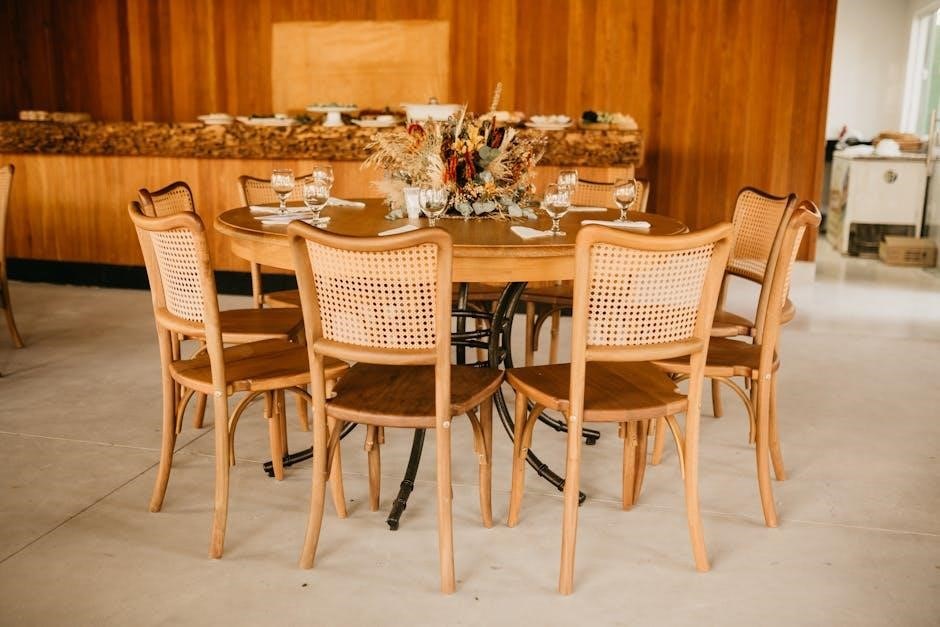
Tables with legs provide a more traditional aesthetic and can offer greater stability, especially with heavier tabletops․ Consider the number and style of legs; a single, substantial pedestal contrasts with the airy feel of multiple, tapered legs․ The base style should complement the tabletop material and overall dining room design․
Custom Round Dining Table Options
For truly unique spaces, exploring custom round dining table options unlocks limitless possibilities․ Many artisans and furniture makers offer bespoke sizing, allowing you to perfectly fit your room and seating needs – from 72 to 120 inches, and even beyond, in precise increments․
Beyond size, customization extends to materials, finishes, and base styles․ Choose from various wood types, veneers, or even glass tabletops․ You can specify the pedestal or leg design, ensuring it complements your existing décor; Customization allows for a seamless integration of form and function, creating a dining table that is not only beautiful but also perfectly tailored to your lifestyle and preferences․
Budget Considerations for Different Sizes
The cost of a round dining table is significantly influenced by its size and the materials used․ Smaller, 36-inch tables are generally the most affordable, often starting around $300-$600 for basic models․ As the diameter increases to 48 or 60 inches, prices typically range from $700 to $1500, depending on the wood and construction quality․
Larger, 72-inch or greater tables, especially those crafted from solid wood or featuring intricate designs, can easily exceed $2000․ Custom options will invariably add to the expense․ Consider your budget early in the process and prioritize features – a simpler design in a larger size might be more practical than a highly ornate, smaller table․
Where to Buy Round Dining Tables
A wide variety of retailers offer round dining tables, catering to diverse budgets and styles․ Major furniture stores like Ashley Furniture, Crate & Barrel, and Pottery Barn provide extensive selections, both in-store and online․ For more affordable options, consider IKEA or Wayfair, which offer numerous choices with varying price points․
Specialty furniture boutiques and local woodworking shops can provide unique, handcrafted tables, though often at a higher cost․ Online marketplaces like Etsy are excellent for finding vintage or custom-made pieces․ Don’t forget to explore discount retailers and outlet stores for potential deals, and always compare prices before making a purchase!
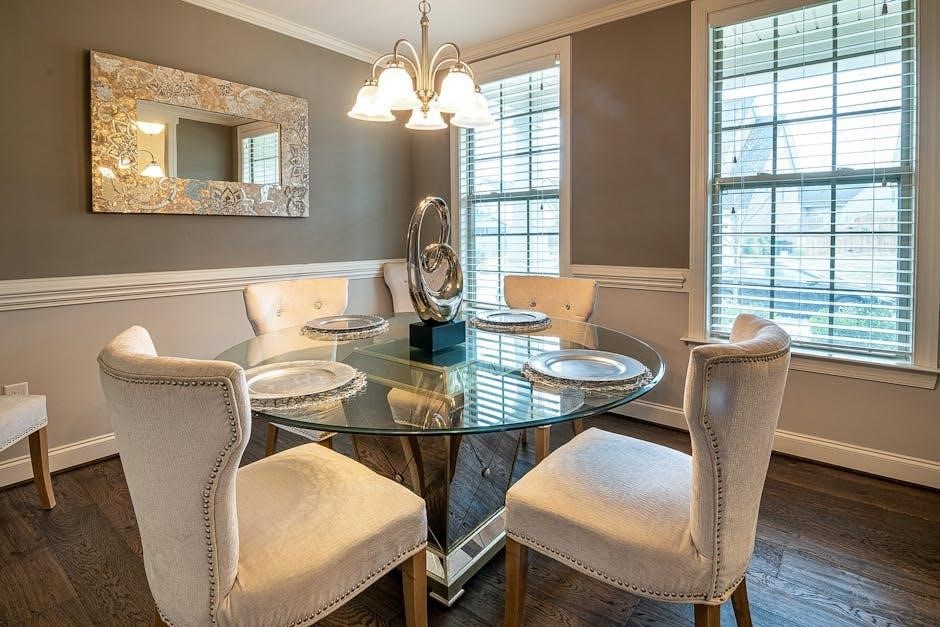
Measuring Your Space Before You Buy
Accurate measurements are crucial for a successful dining table purchase․ Begin by measuring the designated dining area, noting length and width․ Consider existing furniture and walkways – ensure at least 36 inches of clearance around the table for comfortable chair movement and passage․
Visualize the table’s diameter within the space; use painter’s tape to mark the proposed footprint․ Measure ceiling height, especially if considering a chandelier above the table․ Don’t forget to account for any architectural features like columns or doorways․ A detailed floor plan, even a simple sketch, will help prevent costly mistakes and ensure a harmonious fit!
Interactive Dining Table Size Calculator Resources
Several online tools simplify the dining table selection process․ These interactive calculators allow you to input your room dimensions and desired seating capacity to receive personalized recommendations․ Websites specializing in furniture often feature these resources, providing visual representations of table sizes within your space․
Look for calculators that factor in walkway clearance and chair pull-out space for a realistic assessment․ Some even offer 3D room planning features․ Utilizing these tools can eliminate guesswork and ensure you choose a round dining table that perfectly complements your dining area, maximizing both functionality and aesthetic appeal․
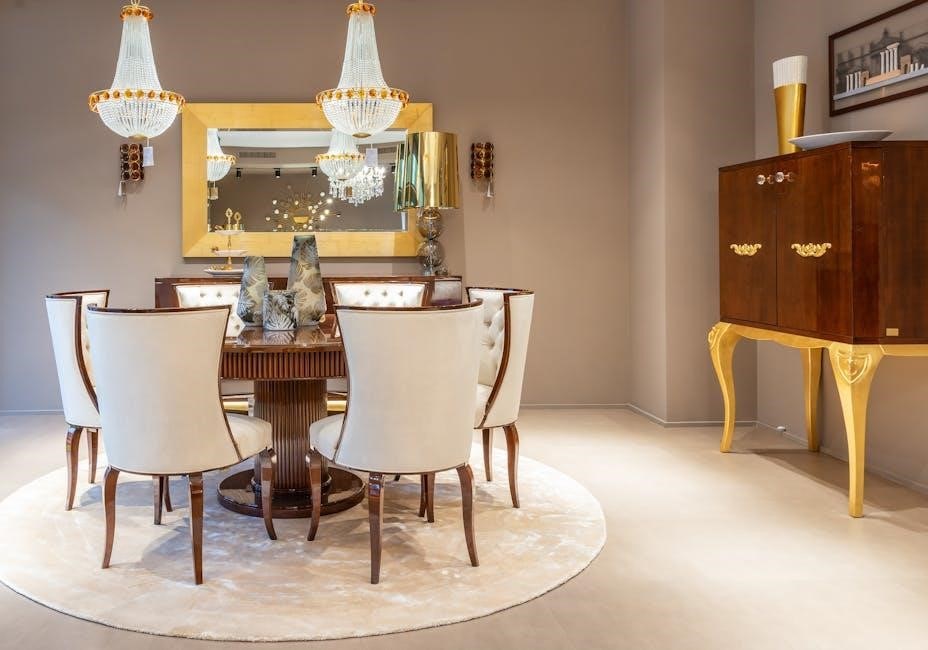
Choosing the Perfect Round Dining Table

Selecting the ideal round dining table hinges on a thoughtful evaluation of several key factors․ Consider your room’s dimensions, typical guest count, and desired aesthetic to narrow down the options․ Remember to prioritize comfortable clearance for movement and chair placement—a crucial element often overlooked․
Utilize the sizing charts and calculators discussed to visualize how different table sizes will fit within your space․ Don’t hesitate to explore custom options if standard dimensions don’t quite meet your needs․ Ultimately, the perfect round dining table enhances both the functionality and beauty of your dining area, fostering memorable gatherings for years to come․