
free california rental application form pdf
Free California Rental Application Form PDF: A Comprehensive Guide
Navigating the California rental market requires a solid application process; thankfully, readily available, free California rental application form PDFs streamline tenant screening efficiently.
California’s rental landscape is competitive, demanding a thorough and legally compliant application process. A well-structured rental application is the cornerstone of finding reliable tenants and protecting your investment property. These applications aren’t simply requests for information; they are crucial legal documents that allow landlords to assess a prospective tenant’s suitability.
Fortunately, landlords and property managers don’t need to create these forms from scratch. Numerous resources offer free California rental application form PDFs, designed to capture all necessary details while adhering to state-specific regulations. Utilizing a standardized form ensures consistency and minimizes the risk of overlooking vital information. Understanding the purpose and components of these applications is paramount for both landlords seeking qualified tenants and renters aiming to present their best qualifications.
This guide will delve into the intricacies of California rental applications, providing insights into their key elements, legal considerations, and best practices for both parties involved.

Why Use a Standardized Rental Application?
Employing a standardized rental application, particularly a free California rental application form PDF, offers significant advantages over ad-hoc or self-created forms. Consistency is key; a standardized form ensures you request the same information from every applicant, facilitating fair and objective comparisons. This minimizes potential legal challenges related to discriminatory practices.
Furthermore, these forms are typically designed by legal professionals to include all legally permissible inquiries, safeguarding landlords from inadvertently violating California’s Fair Housing laws. A comprehensive form prompts applicants to provide essential details regarding their rental history, employment, income, and creditworthiness – all vital for informed decision-making.
Using a pre-built PDF also saves valuable time and resources. Instead of drafting a form each time, you can simply download and distribute it, streamlining your tenant screening process and allowing you to focus on other critical aspects of property management.

Key Components of a California Rental Application
Essential elements within a free California rental application form PDF include applicant details, rental & employment history, and crucial authorization for background checks.
Applicant Information Section
This foundational section of any free California rental application form PDF meticulously gathers personal details from prospective tenants. Typically, it begins with full legal name, current and previous addresses spanning at least five years – crucial for establishing a rental history.
Expect requests for date of birth (for identification and credit check purposes), contact information including phone numbers and email addresses, and potentially a driver’s license or state-issued ID number. Some forms also inquire about the number of occupants who would reside in the property, and whether any are considered pets.
Importantly, landlords should ensure this section adheres to Fair Housing laws, avoiding questions about familial status, national origin, religion, or other protected characteristics. A well-structured applicant information section provides a solid starting point for evaluating suitability and conducting thorough background checks.
Rental History Verification
A critical component of any free California rental application form PDF, the Rental History Verification section aims to assess an applicant’s past tenancy performance. This usually involves requesting details of previous landlords for the past 24-36 months, including names, addresses, and phone numbers.
Applicants are typically asked about reasons for leaving previous residences, monthly rent paid, and whether they consistently paid rent on time. Some forms include a space for landlords to comment on the applicant’s behavior, cleanliness, and adherence to lease terms.
Landlords utilizing these forms should understand California law regarding contacting previous landlords; obtaining permission from the applicant is generally required. Thorough verification helps predict future tenancy success and minimizes potential risks associated with problematic tenants.
Employment and Income Details
The Employment and Income Details section within a free California rental application form PDF is crucial for evaluating an applicant’s financial stability. This part requests information about their current and previous employment, including employer names, addresses, phone numbers, and positions held.
Applicants are required to disclose their gross monthly income, and may be asked to provide supporting documentation like pay stubs or W-2 forms. Self-employed individuals typically need to submit tax returns or profit and loss statements.
Landlords use this data to determine if the applicant can reliably afford the monthly rent and other associated housing costs. California law restricts how income can be considered; landlords must apply consistent standards and avoid discriminatory practices based on income source.
Credit Check Authorization
A free California rental application form PDF invariably includes a Credit Check Authorization section. This legally binding component grants the landlord or property manager permission to obtain the applicant’s credit report from a credit reporting agency.
Applicants must carefully review and sign this authorization, acknowledging they understand their credit history will be assessed. The form details the specific credit bureau to be contacted and outlines the permissible use of the credit report – solely for tenant screening purposes.
California law dictates specific requirements for credit checks, including providing applicants with an “Adverse Action Notice” if their application is denied based on credit report information. Landlords must adhere to these regulations to avoid legal repercussions and ensure fair housing practices.

Legal Considerations for California Landlords
Utilizing a free California rental application form PDF doesn’t exempt landlords from adhering to stringent state and federal housing laws regarding tenant selection.
Fair Housing Laws & Non-Discrimination
Even when employing a free California rental application form PDF, landlords must scrupulously adhere to California’s Fair Employment and Housing Act (FEHA) and federal fair housing regulations. These laws prohibit discrimination based on protected characteristics, including race, color, religion, sex, gender identity, sexual orientation, marital status, national origin, ancestry, familial status, source of income, disability, and genetic information.
Application screening criteria must be consistently applied to all applicants. A seemingly innocuous question on a free form, if used to discriminate, can lead to legal repercussions. Landlords should avoid questions about familial status (e.g., “Do you have children?”) or disability (e.g., “Do you require any accommodations?”) unless directly related to a legitimate, non-discriminatory reason.
Documentation of the screening process is crucial. Maintaining records demonstrating consistent application of criteria, regardless of the free form used, provides a defense against potential discrimination claims. Thoroughly review your state and local laws to ensure full compliance.

Security Deposit Limits in California
While a free California rental application form PDF helps identify qualified tenants, landlords must understand California’s strict regulations regarding security deposits. Generally, a landlord can charge a maximum of two months’ rent for unfurnished properties and three months’ rent for furnished properties as a security deposit.
Crucially, the application form itself shouldn’t request an excessive deposit. Any deposit exceeding these limits is unlawful and potentially refundable. Landlords must provide applicants with a written receipt detailing the deposit amount and the property address. Upon lease termination, landlords have 21 days to return the deposit, along with an itemized statement of any deductions for damages beyond normal wear and tear.
Using a standardized free form doesn’t exempt landlords from these rules. Failure to comply can result in penalties, including legal action and potential liability for triple the deposit amount. Always verify current regulations as laws can change.
Required Disclosures for Rental Properties
Although a free California rental application form PDF efficiently gathers applicant data, California law mandates several property disclosures before a lease is signed. These disclosures are separate from the application itself but crucial for legal compliance.
Landlords must disclose known lead-based paint hazards (for properties built before 1978), the presence of mold, and any pest control treatments. Additionally, disclosure of any defects impacting health and safety – like faulty wiring or plumbing – is legally required. Bed bug infestation history within the last two years also needs to be revealed.
While the application form focuses on tenant suitability, these disclosures protect tenants’ rights and ensure transparency. Failing to provide these disclosures can lead to legal repercussions, even if a seemingly thorough free application was used. Always consult current California law for a complete list and updated requirements.

Finding & Utilizing a Free California Rental Application PDF
Locating a suitable free California rental application PDF is straightforward; numerous online resources offer downloadable templates for landlords and property managers alike.
Reputable Sources for Downloadable Forms
Several trustworthy platforms provide free California rental application forms. RentalApplication.com offers a customizable PDF, while eForms boasts a comprehensive selection specifically tailored for California’s legal requirements. LawDepot is another excellent resource, providing legally vetted templates, though some advanced features may require a subscription.
Additionally, the California Department of Consumer Affairs website doesn’t directly offer a form, but links to helpful resources regarding landlord-tenant law. Many property management companies, like Buildium and AppFolio, offer sample forms as part of their resource libraries, even if you don’t use their full software suite.
Always verify the source’s credibility and ensure the form includes all necessary disclosures and complies with current California legislation before utilizing it in your rental process. Prioritize sites known for legal accuracy and regularly updated content to avoid potential issues.
Ensuring the Form is Up-to-Date (2024 Compliance)
California’s rental laws are subject to change, making it crucial to use a free rental application form PDF updated for 2024. Key areas to verify include compliance with recent amendments to fair housing regulations, specifically regarding source of income discrimination and reasonable accommodation requests.
Confirm the form accurately reflects current security deposit limits, which are typically two months’ rent for unfurnished properties and three months for furnished. Ensure all required disclosures, such as lead-based paint warnings (for properties built before 1978) and bed bug disclosures, are present and current.
Regularly check the source website for revisions and updates. A dated form could lead to legal challenges. Consider consulting with a legal professional to confirm full compliance with all applicable California landlord-tenant laws.
Digital vs. Paper Application Processes
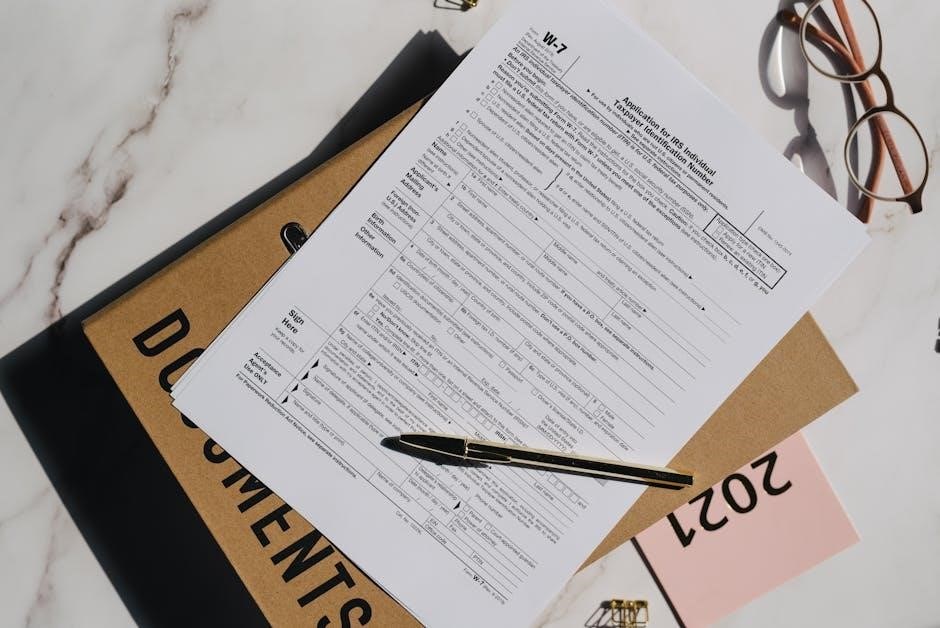
Utilizing a free California rental application form PDF presents choices: digital or paper. Digital applications, often submitted via online portals, offer speed, convenience, and automated data collection, streamlining the screening process for landlords; They also reduce paper waste and storage needs.
Paper applications, while traditional, require manual data entry, increasing the risk of errors and slowing down processing times. However, some tenants may prefer paper for privacy reasons or lack of digital access.
Hybrid approaches – offering both options – can cater to a wider range of applicants. Regardless of the method, ensure secure data handling and compliance with privacy regulations. Consider using secure file transfer methods for digital submissions and maintaining organized physical storage for paper applications.
Completing the Application: A Tenant’s Perspective
Tenants utilizing a free California rental application form PDF should prepare to showcase their rental history, income stability, and responsible tenant qualities thoroughly.
Providing Accurate Information
When completing a free California rental application form PDF, meticulous accuracy is paramount. Landlords rely on this information to make informed decisions, and any discrepancies – even seemingly minor ones – can raise red flags and potentially disqualify your application.
Specifically, double-check all personal details like your name, contact information, and social security number (if requested – be mindful of identity theft risks). Verify your rental history dates and landlord contact information. Regarding employment and income, provide truthful and verifiable details, including pay stubs or offer letters if necessary.
Honesty is crucial; attempting to falsify information is not only unethical but can also have legal consequences. A landlord discovering inaccuracies may reject your application and potentially pursue legal action. Take the time to review the completed form carefully before submitting it, ensuring everything is correct and consistent. A well-prepared, accurate application demonstrates responsibility and respect for the landlord’s process.
Understanding Credit Report Access
Most free California rental application form PDFs include a section authorizing the landlord to access your credit report. This is standard practice, allowing landlords to assess your financial responsibility and payment history. Federal law, specifically the Fair Credit Reporting Act (FCRA), governs this process.
Before signing the authorization, understand that the landlord will likely pull your credit report from one of the major credit bureaus (Experian, Equifax, or TransUnion). You are legally entitled to a free copy of your credit report annually from each bureau at AnnualCreditReport.com. Reviewing your report beforehand allows you to identify and address any errors or inaccuracies.
Landlords must obtain your written consent before accessing your credit report and cannot discriminate based on factors unrelated to your creditworthiness. Be aware of what information is typically included in a credit report, such as payment history, outstanding debts, and public records. Knowing your credit standing empowers you throughout the rental application process.
What Happens After Submission?
Once you’ve submitted a completed free California rental application form PDF, the landlord or property manager begins the screening process. This typically involves verifying the information provided – employment, income, and rental history – and conducting a credit check, assuming you’ve granted authorization.
Expect a period of review, which can vary depending on the volume of applications received. Landlords may contact your previous landlords and employer to confirm details. They are legally obligated to apply consistent screening criteria to all applicants.
Communication is key. Don’t hesitate to follow up politely after a reasonable timeframe (typically a few business days) to inquire about the status of your application. If approved, you’ll likely receive a lease agreement to review. If denied, California law requires landlords to provide a reason for the denial, though specifics can be limited.

Landlord Best Practices for Application Review
Thorough review of each free California rental application form PDF is crucial; diligent verification and consistent criteria protect your investment and ensure compliant tenant selection.
Consistent Screening Criteria
Employing consistent screening criteria when reviewing each free California rental application form PDF is paramount for legal compliance and fair housing practices. This means applying the same standards to every applicant, regardless of protected characteristics like race, religion, or familial status. Document these criteria clearly in writing – outlining minimum credit score requirements, income-to-rent ratios, and acceptable reasons for denial.
A standardized approach, utilizing the information gathered from the application, minimizes the risk of discrimination claims. For example, if you require a credit score of 650 or higher, apply this rule universally; Similarly, if you verify employment and require a minimum income three times the monthly rent, consistently enforce this standard.
Avoid making subjective judgments or relying on “gut feelings.” Focus solely on verifiable information presented on the free California rental application form PDF and supporting documentation. This ensures a transparent and defensible application process.
Verifying Information Provided
Thoroughly verifying the information submitted on each free California rental application form PDF is crucial for mitigating risk and ensuring tenant reliability. Don’t simply accept applicant statements at face value. Contact listed employers to confirm employment status and income details, requesting pay stubs as supporting documentation.
Reach out to previous landlords to assess rental history, inquiring about payment consistency, property care, and any lease violations. Utilize credit reporting agencies to validate credit scores and identify potential red flags. Be mindful of Fair Credit Reporting Act (FCRA) guidelines when obtaining and using credit reports – obtaining written authorization is essential.
Cross-reference information across all sources; discrepancies should be investigated further. A diligent verification process, stemming from the free California rental application form PDF, protects your investment and fosters a responsible landlord-tenant relationship.
Responding to Applicants (Legal Timeframes)
California law doesn’t explicitly dictate a specific timeframe for responding to rental applications submitted via a free California rental application form PDF. However, prompt communication is vital and considered best practice. While not legally mandated, responding within 30 days is generally recommended to avoid potential fair housing claims or perceptions of discrimination.
Delays can create legal vulnerabilities, especially if applicants suspect unfair treatment. If you require more time for thorough screening, inform applicants of the extended review period. Regardless of the decision, provide a written response – a simple email acknowledging receipt and outlining the outcome is sufficient.
Maintaining clear communication throughout the process, even when utilizing a free California rental application form PDF, demonstrates professionalism and respect for applicants’ time, minimizing potential legal issues.

Advanced Topics & Resources
Beyond the basic free California rental application form PDF, explore specialized background checks and legal aid for comprehensive tenant and landlord support.
Using Background Check Services
While a free California rental application form PDF initiates the screening process, landlords often enhance due diligence with background check services. These services delve deeper than credit reports, potentially revealing criminal history, eviction records, and prior problematic tenant behavior. Several reputable companies offer tiered packages, ranging from basic checks to comprehensive investigations.
However, California law strictly regulates background checks. Landlords must obtain written consent from applicants before conducting any checks, and they are prohibited from considering certain types of criminal history (e.g., sealed records, minor offenses). Utilizing a compliant service ensures adherence to these regulations, mitigating legal risks.
Consider the Fair Credit Reporting Act (FCRA) guidelines when interpreting results. Adverse actions based on background check findings require specific notification procedures, providing the applicant an opportunity to dispute inaccuracies. Thorough documentation of the entire process – consent forms, reports, and notifications – is crucial for legal protection.
California Tenant Rights Organizations
Navigating the complexities of California’s rental landscape benefits both landlords and tenants from understanding available resources. Several organizations champion tenant rights, offering valuable information and advocacy. The Tenant Rights Union (TRU) provides legal assistance and organizes tenant campaigns, while Housing Rights Committee of San Francisco focuses on local issues and education.
Additionally, California Rural Legal Assistance (CRLA) serves low-income communities, offering legal representation in housing disputes. These organizations often provide free workshops and publications explaining tenant obligations and landlord responsibilities, complementing the information gathered using a free California rental application form PDF.
For general guidance, the California Department of Consumer Affairs offers resources on landlord-tenant law. Knowing these support systems empowers tenants to assert their rights and encourages fair housing practices, fostering a more equitable rental market for all involved.
Legal Assistance for Landlords & Tenants
Disputes can arise even with a thorough rental application process, highlighting the importance of accessible legal support. Landlords and tenants in California have several avenues for obtaining assistance. The State Bar of California offers a lawyer referral service, connecting individuals with attorneys specializing in landlord-tenant law.
Legal Aid Societies throughout California provide free or low-cost legal services to eligible individuals, often assisting with eviction defense or habitability issues. Community Legal Foundation of California is another valuable resource, offering training and advocacy. Utilizing a free California rental application form PDF is a proactive step, but legal counsel can be crucial when disagreements occur.
Furthermore, local bar associations frequently host clinics and workshops addressing common landlord-tenant concerns. Proactive legal consultation can prevent costly mistakes and ensure compliance with California’s complex housing laws, benefiting both parties.